
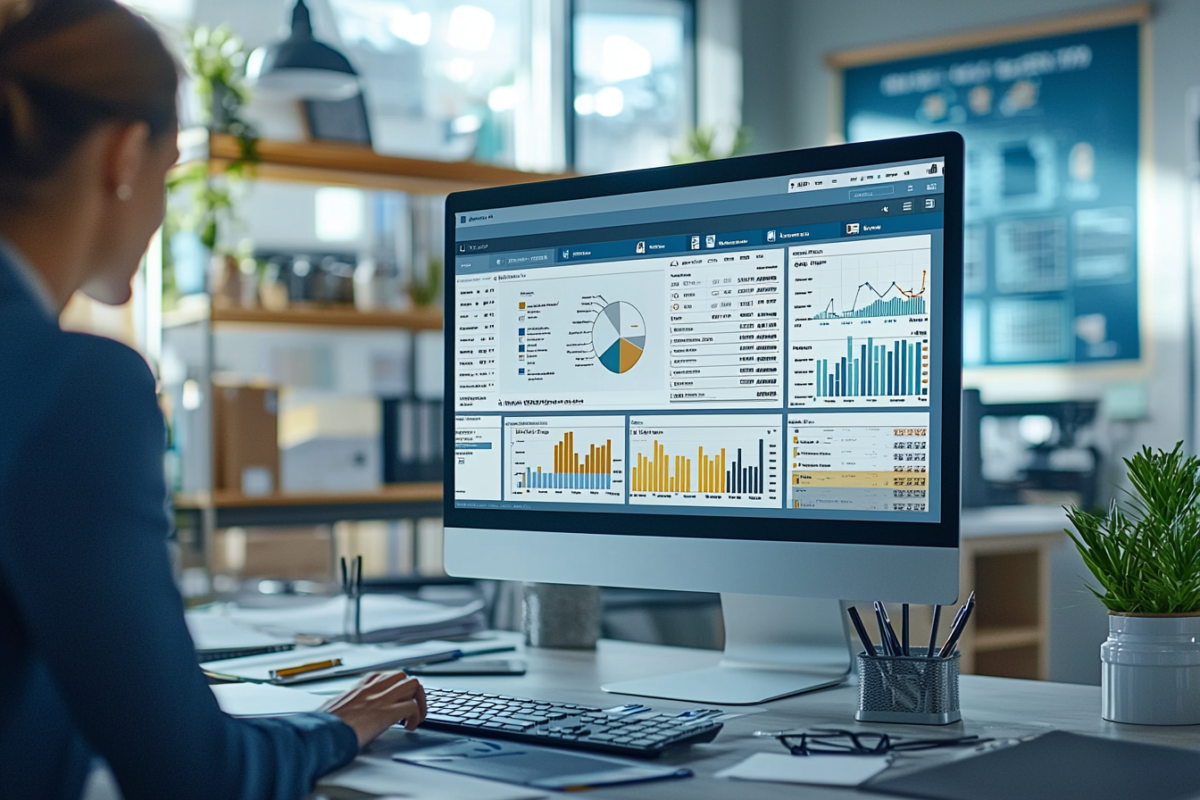
Best CRM Software for Event Planners: Top Picks for Event Management
In the world of event planning, efficiency and organization are paramount. Event planners juggle numerous tasks, from client management to vendor coordination, all while ensuring that every detail of an event runs seamlessly. This is where Customer Relationship Management (CRM) software comes into play. By harnessing the power of CRM solutions, event planners can enhance their workflow, improve client interactions, and ultimately deliver exceptional events. In this article, we will explore the best CRM software for event planners, focusing on how these tools can transform the event management process.
What is CRM and Why is it Important for Event Planners?
Understanding CRM in Event Management

Customer Relationship Management (CRM) is a technology that enables businesses to manage interactions with current and potential clients. In the context of event management, CRM software serves as a centralized hub for managing all aspects of client relationships, from initial contact through to post-event follow-ups. This management tool streamlines the entire event lifecycle, allowing event planners to maintain organized contact management, track communications, and store essential client data. By understanding the nuances of CRM, event planners can leverage these systems to enhance their planning efforts.
The Role of CRM Software in Event Planning
CRM software plays a pivotal role in event planning by serving as a comprehensive management solution for event organizers. The software allows planners to automate routine tasks, such as sending event registration confirmations and reminders, managing guest lists, and tracking RSVPs. Additionally, it helps in vendor management by storing information on preferred suppliers and tracking contracts and payments. By integrating CRM into their event management toolkit, planners can ensure that no detail is overlooked, leading to more successful events.
Benefits of Using CRM for Event Planners

The benefits of using a CRM for event planners are manifold. First and foremost, these systems enhance client management by providing a 360-degree view of client interactions and preferences. This data is invaluable for personalizing communications and improving customer satisfaction. Furthermore, CRM solutions facilitate better project management, allowing event planners to assign tasks, set deadlines, and track progress in real-time. With a centralized platform for managing all event-related activities, planners can minimize the risk of miscommunication and ensure a seamless planning process.
How to Choose the Best CRM for Event Management?
Key Features to Look for in a CRM Solution
When selecting the best CRM for event management, it is essential to consider key features that cater specifically to the needs of event planners. Look for CRM software that includes built-in event management tools, such as event registration capabilities, ticketing options, and automated email marketing functionalities. Furthermore, a robust CRM should offer excellent contact management features, enabling planners to segment their audience and tailor communications effectively. Additionally, integrations with popular project management tools and event marketing platforms can significantly enhance the functionality of the CRM.
Assessing CRM Solutions for Event Planners
When assessing CRM solutions, event planners should take the time to evaluate how each option aligns with their specific event planning business needs. This involves looking at the scalability of the CRM, as well as its ease of use and customization options. A good CRM should adapt to the unique management processes of your events and not the other way around. Furthermore, consider the level of support and training resources offered by the CRM vendor, as this can significantly impact the successful adoption of the software.
Common Mistakes When Choosing a CRM
Choosing a CRM can be a daunting task, and it’s easy to make mistakes. One common error is selecting a CRM solution based solely on price, rather than the features that will genuinely benefit your event management needs. Additionally, some planners may overlook the importance of user experience; a complicated interface can hinder productivity rather than enhance it. Finally, failing to involve your team in the decision-making process can lead to resistance during implementation. Engaging your team in choosing the best CRM for event planners fosters buy-in and ensures that the selected software meets the needs of all users.
What Are the Top CRM Solutions for Event Planners?
Best CRMs for Event Management: A Comparative Review
There are numerous CRM solutions available that cater to the unique needs of event planners. Some of the best CRM for event management include platforms that specialize in event-specific functionalities. For instance, solutions like Cvent, Eventbrite, and HubSpot stand out due to their comprehensive tools for event registration, attendee tracking, and post-event analysis. Each of these CRMs offers a unique blend of features tailored for event organizers, making them valuable assets for any event planning business.
Features and Pricing of Leading CRM Software
When evaluating the features and pricing of leading CRM software, it is important to consider what each platform offers in relation to your specific requirements. For example, Cvent provides robust event management tools, including event registration, venue selection, and attendee engagement features, but comes at a higher price point. On the other hand, Eventbrite offers a user-friendly interface and straightforward pricing, making it a great choice for smaller events or budgets. Comparing the features against the pricing structures can help planners make informed decisions about the best CRM for their needs.
User Testimonials: What Planners Are Saying
User testimonials can provide valuable insights into the effectiveness of CRM software for event planners. Many users praise CRMs that enhance communication and streamline the event management process. Planners often highlight the ease of use and the ability to integrate various aspects of their event planning business into a single management platform. Positive feedback often emphasizes how CRM systems have significantly improved their workflow and client engagement, leading to more successful events and satisfied clients.
How Can Event Management CRM Software Enhance Your Planning Process?
Streamlining Client Management with CRM Tools
One of the primary advantages of using event management CRM software is its ability to streamline client management. By providing a centralized database for all client interactions, planners can easily access important information regarding client preferences, past events, and communication history. This level of detail allows for personalized interactions, which can enhance client relationships and foster loyalty. The CRM system can also automate follow-up communications, ensuring that clients feel valued throughout the entire event lifecycle.
Seamless Vendor Management with CRM Solutions
Effective vendor management is crucial for successful event planning, and CRM solutions can facilitate this process seamlessly. With a CRM, planners can maintain detailed records of vendor contracts, services provided, and performance evaluations. This enables planners to make informed decisions when selecting vendors for future events. Additionally, the CRM can automate the communication process, ensuring that vendors receive timely updates and information, which helps in maintaining positive relationships and ensuring that all parties are on the same page.
Task Management and Collaboration in Event Planning
Task management is an essential aspect of successful event planning, and CRM software offers robust tools that enhance collaboration among team members. By assigning tasks, setting deadlines, and tracking progress within the CRM, planners can ensure that everyone is aligned with the project goals. This collaborative approach reduces the risk of overlooked tasks and promotes accountability among team members. Furthermore, the ability to share documents and communicate within the CRM fosters a more cohesive team environment, ultimately leading to better event outcomes.
What Are the Challenges of Implementing CRM for Event Planners?
Common Implementation Issues and How to Overcome Them
While the benefits of CRM software for event planners are clear, implementing these systems can present challenges. Common issues include resistance to change from team members who are accustomed to existing processes. To overcome this, planners should foster a culture of openness and highlight the advantages of the new CRM system. Additionally, careful planning during the implementation phase, including setting clear goals and timelines, can help ensure a smooth transition. Engaging all stakeholders in the process can also mitigate resistance and promote buy-in.
Training Your Team on New CRM Software
Training is a critical component of successfully implementing any new CRM software. Event planners should invest time and resources into training sessions that are tailored to the specific needs of their team. This may include hands-on workshops, online tutorials, and access to support resources. By ensuring that all team members are proficient in using the CRM, planners can maximize the software’s potential and enhance overall productivity. Regular follow-up training sessions can also address any questions or challenges that arise post-implementation.
Measuring the Success of Your CRM Implementation
Finally, measuring the success of CRM implementation is essential to understanding its impact on your event planning business. Planners should establish key performance indicators (KPIs) that align with their goals, such as improved client satisfaction scores or increased event registrations. Regularly reviewing these metrics will provide insights into the effectiveness of the CRM solution and highlight areas for improvement. By analyzing the data, event planners can make informed adjustments to their strategies, ensuring that they continue to maximize the benefits of their CRM system.
FAQ
Q: What are the best event management software options for event planners?
A: The best event management software options for event planners include platforms like Eventbrite, Cvent, and Whova. These tools are designed to help event planners manage everything from event registration to post-event analysis, ensuring the success of your event.
Q: Why is it crucial for event planners to use CRMs for event management?
A: Using CRMs for event management is crucial because they help streamline your event planning process, allowing you to manage your event planning efficiently. A right CRM can enhance communication, track event performance, and ensure that every detail is accounted for throughout the event lifecycle.
Q: How can a CRM help event planners manage their events more effectively?
A: A CRM helps event planners manage their events by providing comprehensive tools like attendee tracking, registration management, and post-event follow-ups. This software solution allows professional event planners to focus on delivering exceptional experiences while minimizing administrative tasks.
Q: What features should I look for in the best CRMs for event planners?
A: When selecting the best CRMs for event planners, look for features such as event registration capabilities, payment processing, customizable event websites, and reporting tools. These features are essential for managing events and ensuring that everything runs smoothly from start to finish.
Q: How do event management tools like CRMs benefit the event planning business?
A: Event management tools like CRMs benefit the event planning business by automating repetitive tasks, improving data management, and enhancing team collaboration. This allows planners to focus on creativity and strategy, ultimately leading to a more successful event.
Q: Can mobile event management software be integrated with CRMs for event planners?
A: Yes, many mobile event management software solutions can be integrated with CRMs for event planners. This integration allows for real-time updates and access to event information, making it easier to manage events and engage with attendees throughout the event.
Q: What is an event management platform and how is it different from a CRM?
A: An event management platform is a comprehensive solution that covers all aspects of event planning, including registration, marketing, and logistics. While a CRM focuses on managing relationships and data for attendees, an event management platform encompasses a broader range of tools designed specifically for the event planning process.
Q: How can I streamline my event planning using a CRM?
A: You can streamline your event planning using a CRM by automating tasks such as email communications, registration tracking, and attendee management. This allows you to focus on strategic planning and enhancing attendee experiences, ultimately improving the overall success of your event.
Q: What role does data analysis play in event management software?
A: Data analysis plays a crucial role in event management software as it helps event planners assess the effectiveness of their events. By analyzing data throughout the event lifecycle, planners can make informed decisions to improve future events and ensure better management software utilization.
Q: How can I measure the success of my event using event management software?
A: You can measure the success of your event using event management software by evaluating key performance indicators such as attendance rates, attendee feedback, and post-event engagement metrics. These insights can help you understand what worked well and what areas need improvement for future events.
