
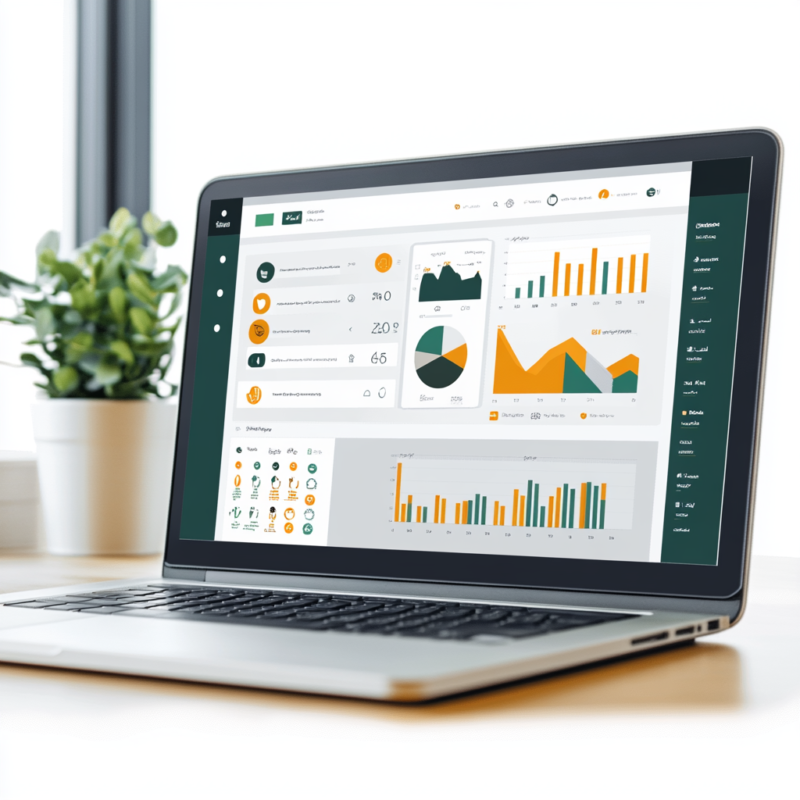
Mastering QuickBooks for Your Small Farm with Cornell Small Farms
In an increasingly competitive agricultural landscape, small farm owners must leverage technology to streamline operations and enhance profitability. One of the most effective tools available today is QuickBooks, a powerful accounting software that can transform the way small farms manage their finances. This article delves into how QuickBooks can benefit your farm business, the online course options offered by Cornell Small Farms, and practical strategies for maximizing your farm’s profitability.
How Can QuickBooks Help My Small Farm Business?
Understanding the Basics of QuickBooks
QuickBooks is an accounting software designed to simplify bookkeeping and financial management for businesses of all sizes, including small farms. At its core, QuickBooks allows users to track income, expenses, and invoices, making it an essential tool for any farm operation. Understanding the basics of QuickBooks is crucial for farmers looking to streamline their financial processes. The software provides a user-friendly interface that enables growers to input their financial data easily, categorize expenses related to farm products, and generate reports that reflect their farm’s financial health. This foundational knowledge empowers farmers to take charge of their farm business’s financial aspects, allowing them to focus on what they do best—growing and managing their crops or livestock.
Benefits of Using QuickBooks for Farm Income Management
One of the most significant benefits of using QuickBooks for managing farm income is the ability to gain real-time insights into your farm’s profitability. By systematically recording all transactions, farmers can easily track their revenue streams and expenses. This capability is particularly beneficial for small farms that may have diverse income sources, such as farmers markets, local food sales, and specialized products like mushroom farming or poultry. Furthermore, QuickBooks aids in creating detailed income statements, which are vital for evaluating the net farm profit. By understanding which products generate the most revenue and which expenses are most significant, farmers can make informed decisions to enhance their farm business strategy.
QuickBooks Online vs. Traditional Accounting Methods

When comparing QuickBooks Online to traditional accounting methods, the advantages become clear. Traditional bookkeeping often involves tedious paperwork and manual calculations, which can lead to errors and inefficiencies. In contrast, QuickBooks Online offers a cloud-based solution that provides farmers with access to their financial data from anywhere, at any time. This flexibility is especially important for small farm owners who may be out in the field or managing multiple tasks. Additionally, QuickBooks Online integrates seamlessly with other tools like Shopify for e-commerce, allowing farmers to manage their sales channels more efficiently. By transitioning to QuickBooks Online, farmers can dramatically reduce their bookkeeping workload while improving accuracy and accessibility.
What Online Course Options Are Available for QuickBooks?
Overview of Cornell Small Farms’ QuickBooks Online Course
Cornell Small Farms offers a comprehensive QuickBooks Online course tailored specifically for farmers. This course is designed to help farmers of all experience levels, whether you are a novice looking to understand the basics or an experienced farmer seeking to refine your bookkeeping skills. The course covers essential topics such as setting up your QuickBooks account, tracking farm income and expenses, and generating financial reports. By participating in this course, you can gain the knowledge needed to effectively manage your farm’s finances and ultimately enhance your farm’s profitability.
Course Instructors: Who Will Be Teaching You?
The instructors for the Cornell Small Farms QuickBooks course are seasoned professionals with extensive backgrounds in agricultural finance and accounting. They possess a wealth of knowledge and practical experience in helping farmers navigate the complexities of farm bookkeeping. These experts are dedicated to providing personalized support and are eager to share best practices and strategies that have proven successful in the field. By learning from experienced instructors, participants can engage in interactive webinars and discussions that will deepen their understanding of how to leverage QuickBooks for their specific farm needs.
Course Season: When to Enroll for the Best Experience
Timing is crucial when enrolling in the Cornell Small Farms QuickBooks course. The course season typically runs during the winter months, a time when many farmers are planning for the upcoming growing season. Enrolling during this period allows participants to absorb the material and apply the knowledge gained to their business plans before the busy season begins. Additionally, early enrollment often provides access to supplementary resources and materials that can enhance the learning experience, making it easier for farmers to implement what they learn into their daily operations.
How Can I Use QuickBooks to Improve Farm Profitability?
Tracking Farm Income and Expenses Effectively
Effective tracking of farm income and expenses is paramount to improving profitability. QuickBooks enables farmers to categorize expenses related to various aspects of their operations, such as integrated pest management, labor costs, and supplies for farm products. By maintaining organized records, farmers can identify cost-saving opportunities and adjust their business strategies accordingly. Furthermore, regular updates to financial data allow for timely analysis of income trends and expense patterns, helping farmers to stay informed about their farm’s financial status and make proactive decisions.
Generating Accurate Income Statements with QuickBooks
Generating accurate income statements is another critical function of QuickBooks that can significantly impact farm profitability. QuickBooks allows users to create detailed income statements that reflect the farm’s financial performance over specific periods. These statements break down revenue streams from various farm products, enabling farmers to identify their most profitable items and areas that may require improvement. With accurate income statements, farmers can make informed decisions regarding resource allocation, marketing strategies, and potential diversification of their farm business.
Strategies to Diversify Your Farm Income Using QuickBooks
Diversifying your farm income is essential for maximizing profitability and mitigating risks associated with market fluctuations. QuickBooks can assist in this endeavor by providing data that highlights the performance of different income streams. Farmers can use this information to explore new markets or products, such as adding flower farming to their portfolio or developing value-added products from their existing crops. The ability to analyze financial data effectively allows farmers to make strategic decisions that can lead to increased revenue and a more resilient farm operation.
What Features of QuickBooks Are Most Useful for Experienced Farmers?
Advanced Reporting Tools for Farm Business Analysis
Experienced farmers can benefit significantly from the advanced reporting tools offered by QuickBooks. These tools enable in-depth analysis of financial data, allowing farmers to assess the overall performance of their farm business comprehensively. With customizable reports, farmers can track specific metrics, such as profit margins on different farm products or the effectiveness of various marketing initiatives. This level of analysis empowers farmers to make informed decisions about their operations and future investments, ultimately driving growth and profitability.
Integrating QuickBooks with Other Farm Management Tools
Integration with other farm management tools is another essential feature that experienced farmers can leverage. QuickBooks can easily connect with various agricultural software solutions, enhancing efficiency and data accuracy across different platforms. For instance, integrating pest management software with QuickBooks allows farmers to track pest control expenses alongside crop performance, leading to better-informed decisions regarding integrated pest management strategies. This holistic approach to farm management helps farmers optimize their operations and enhance profitability.
Customizing QuickBooks for Specific Farm Types, such as Poultry
Customizing QuickBooks for the specific needs of various farm types is crucial for maximizing its effectiveness. For example, poultry farmers can tailor their QuickBooks setup to track unique expenses, such as feed costs, veterinary services, and labor specific to poultry care. By customizing their QuickBooks account, farmers can ensure that they capture all relevant data, leading to more accurate financial analysis and reporting. This tailored approach allows farmers to manage their specific farm operations more effectively, ultimately improving their business outcomes.
How Do I Get Started with QuickBooks for My Small Farm?
Setting Up Your QuickBooks Account for Farm Business
Getting started with QuickBooks for your small farm involves setting up your account correctly. The initial setup process is straightforward, and with the guidance provided in the Cornell Small Farms QuickBooks course, farmers will learn how to input essential farm data, categorize transactions, and establish a chart of accounts tailored to their specific needs. Proper setup is crucial for ensuring that all financial data is accurately captured, enabling effective tracking of farm income and expenses from the outset.
Essential Tips for Navigating QuickBooks Online
Navigating QuickBooks Online can be intuitive, but some essential tips can enhance your experience. Familiarizing yourself with the dashboard and key features is crucial for efficient use. Regularly updating your financial data helps keep your information current, which is essential for producing accurate reports. Moreover, utilizing the help resources and customer support offered by QuickBooks can provide additional guidance and troubleshooting assistance, ensuring a smoother experience as you manage your farm business.
Common Challenges and Solutions for New Users
New users of QuickBooks may encounter common challenges, such as feeling overwhelmed by the software’s features or struggling with data entry. However, these challenges can be mitigated through practice and access to educational resources. Engaging in the Cornell Small Farms online course can provide valuable insights and tips for overcoming these hurdles. Additionally, joining forums or local farmer groups can allow new users to share experiences and solutions, fostering a supportive community that can aid in mastering QuickBooks for their small farm.
FAQ
Q: What is the Cornell Small Farms Program and how does it relate to mastering QuickBooks for small farms?
A: The Cornell Small Farms Program provides resources and support for small farmers, including online courses to help them improve their technical and business skills. Mastering QuickBooks is one of the key components that can aid farmers in managing their finances effectively.
Q: Are there specific online courses required to learn QuickBooks for small farms?
A: Yes, the Cornell Small Farms Program offers online courses that cover various aspects of business management, including the use of QuickBooks. These courses are designed to help farmers understand financial management tailored to the agricultural sector.
Q: Can you provide a brief course description of the QuickBooks course offered by Cornell Small Farms?
A: The QuickBooks course includes a comprehensive overview of the software, focusing on how to manage farm finances, track expenses, and generate financial reports. It is tailored specifically for farmers and addresses unique challenges in managing agricultural finances.
Q: What course content can I expect from the QuickBooks training for small farms?
A: The course content typically includes lessons on setting up accounts, managing transactions, creating invoices, tracking income and expenses, and generating financial statements. It also includes practical examples relevant to farming operations.
Q: How can mastering QuickBooks help with the business of flower farming?
A: Mastering QuickBooks helps flower farmers manage their finances more effectively by providing tools to track sales, manage expenses, and analyze profitability. This is crucial for making informed decisions about scaling operations and exploring additional income streams.
Q: What should I consider if I am thinking about starting a small farm and using QuickBooks?
A: If you are considering starting a small farm, it is beneficial to familiarize yourself with QuickBooks early on. Understanding financial management from the beginning will help you establish sound business operations and plan effectively for growth.
Q: How can QuickBooks assist in managing farm buildings and related expenses?
A: QuickBooks can help farmers track costs associated with farm buildings, such as maintenance and utilities. By managing these expenses accurately, farmers can better understand their overall financial health and make strategic decisions about future investments.
Q: Is it possible to access the QuickBooks course materials on a mobile device?
A: Yes, the Cornell Small Farms Program’s online courses are designed to be accessible on mobile devices, allowing farmers to learn at their convenience, whether on the farm or elsewhere.
Q: How do the strategies learned in the QuickBooks course help farmers to plan for additional income?
A: The strategies taught in the QuickBooks course enable farmers to analyze their financial data, identify profitable areas, and explore new opportunities for additional income, such as diversifying their products or creating an online store.
Q: Can QuickBooks be beneficial for farmers growing mushrooms?
A: Yes, QuickBooks can be particularly beneficial for mushroom farmers by helping them track production costs, sales, and profitability. Understanding these financial aspects is crucial for the success and sustainability of mushroom farming operations.
